Cleaning Vintage Jewelry: Preserving Beauty Through Time
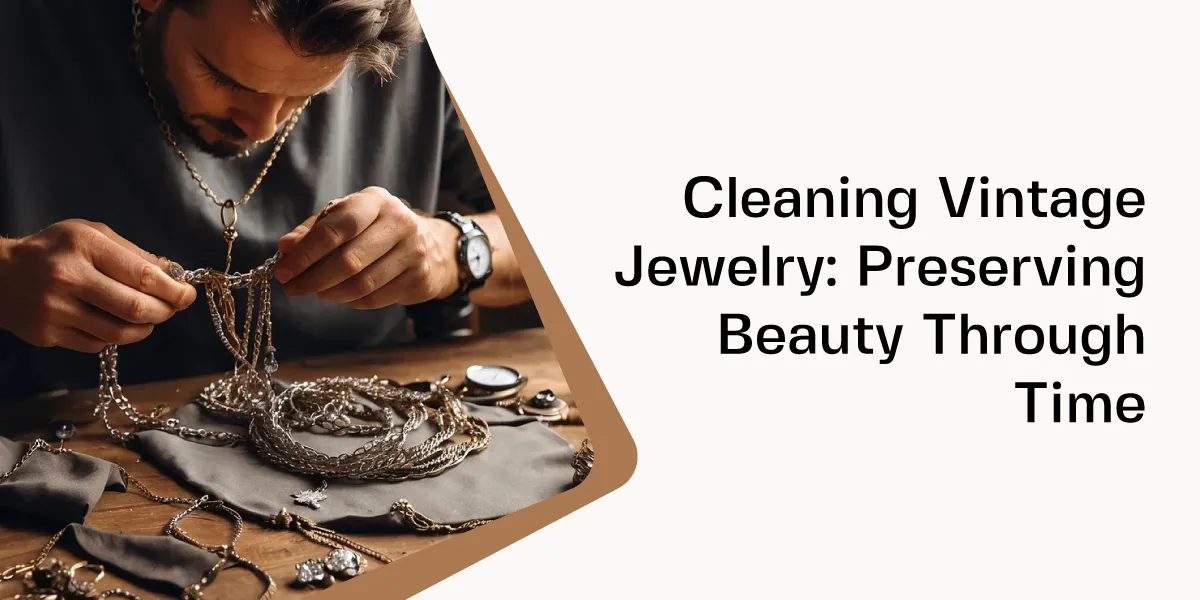
Vintage jewelry holds a special allure, carrying with it the charm of bygone eras and the stories of those who wore it before. However, to maintain its beauty and value, proper cleaning and care are essential. This guide will walk you through the best practices for cleaning your cherished vintage pieces, ensuring they continue to sparkle for years to come.
Understanding Vintage Jewelry
Before diving into cleaning methods, it's crucial to understand what qualifies as vintage jewelry. Generally, vintage pieces are those that are between 20 and 100 years old. Anything older than 100 years is typically considered antique. This distinction is important because the age of a piece can influence the materials used and, consequently, the cleaning methods required.
Assessing Your Jewelry
The first step in cleaning vintage jewelry is to carefully assess each piece. Look for any signs of damage, loose stones, or weak points in the metal. If you notice any issues, it's best to consult a professional jeweler before attempting to clean the item yourself. For pieces in good condition, identify the materials used – both the metal and any gemstones – as this will determine the appropriate cleaning method.
Gentle Cleaning Methods
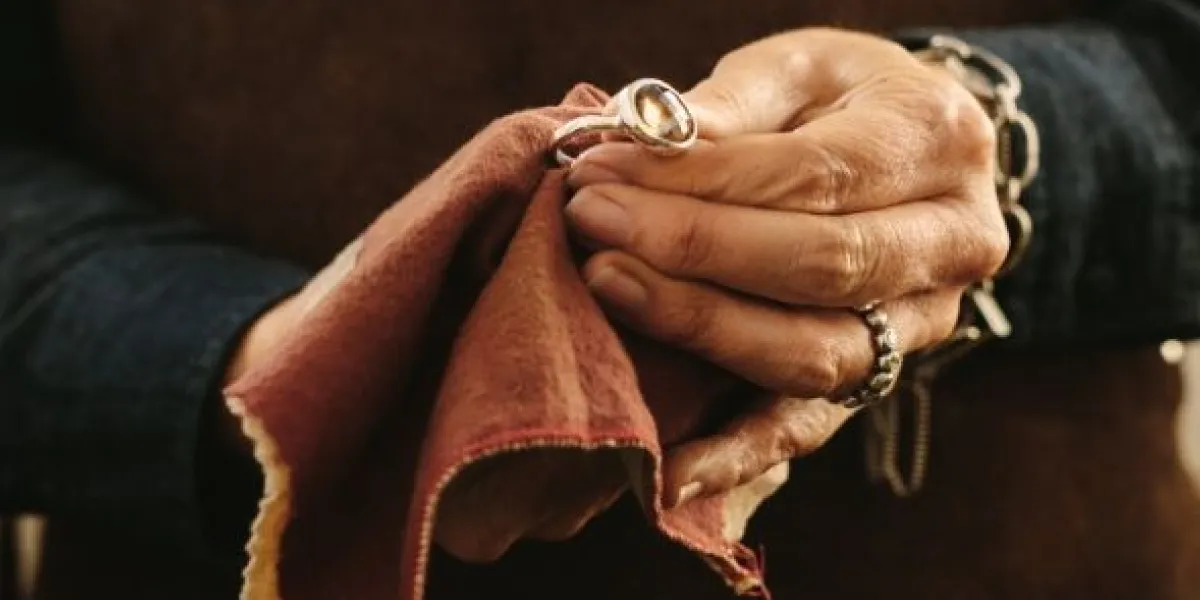
For most vintage jewelry, a gentle cleaning approach is best. Start with the mildest method and only progress to more intensive cleaning if necessary.
Soft Cloth Method
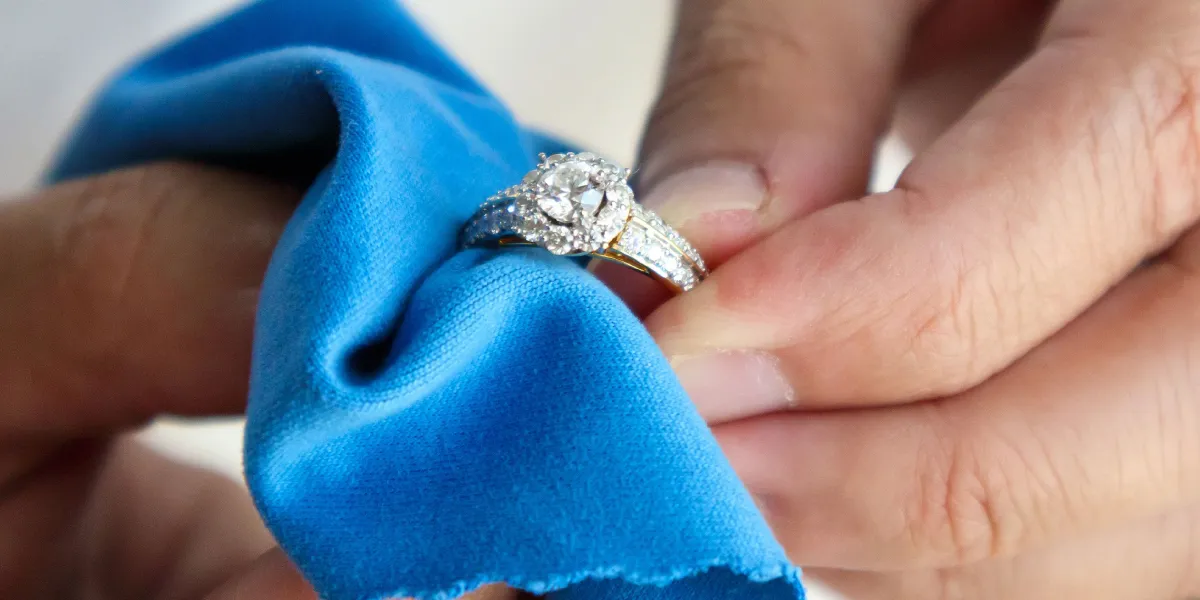
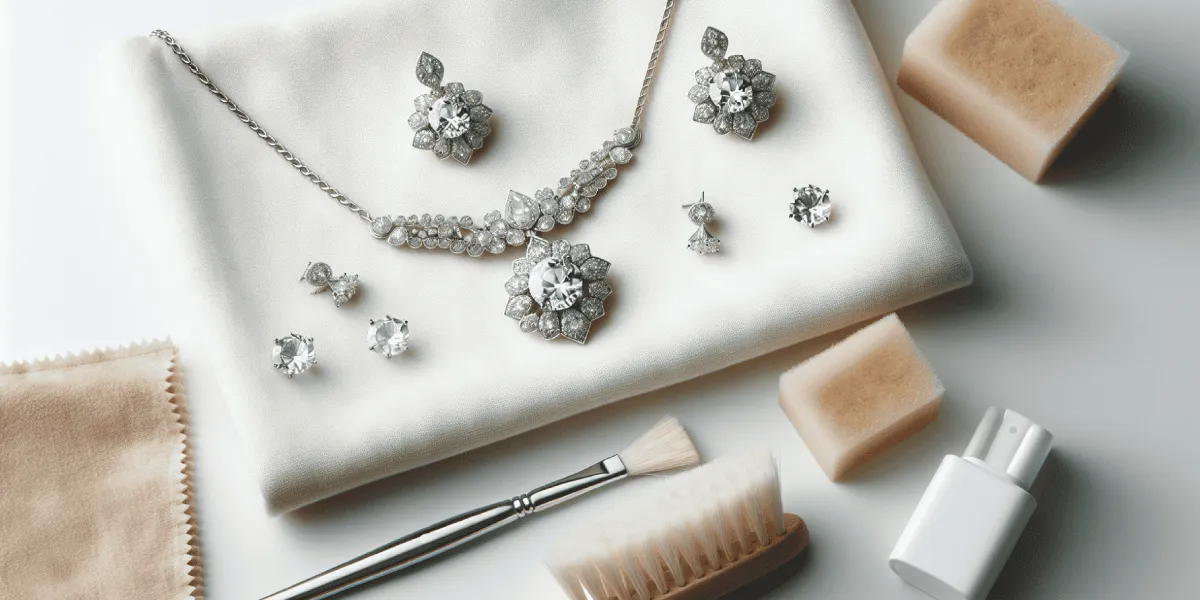
Often, simply wiping your jewelry with a soft, lint-free cloth can remove surface dirt and restore shine. This method is particularly suitable for pieces with delicate settings or soft stones like pearls or opals.
Soap and Water Solution
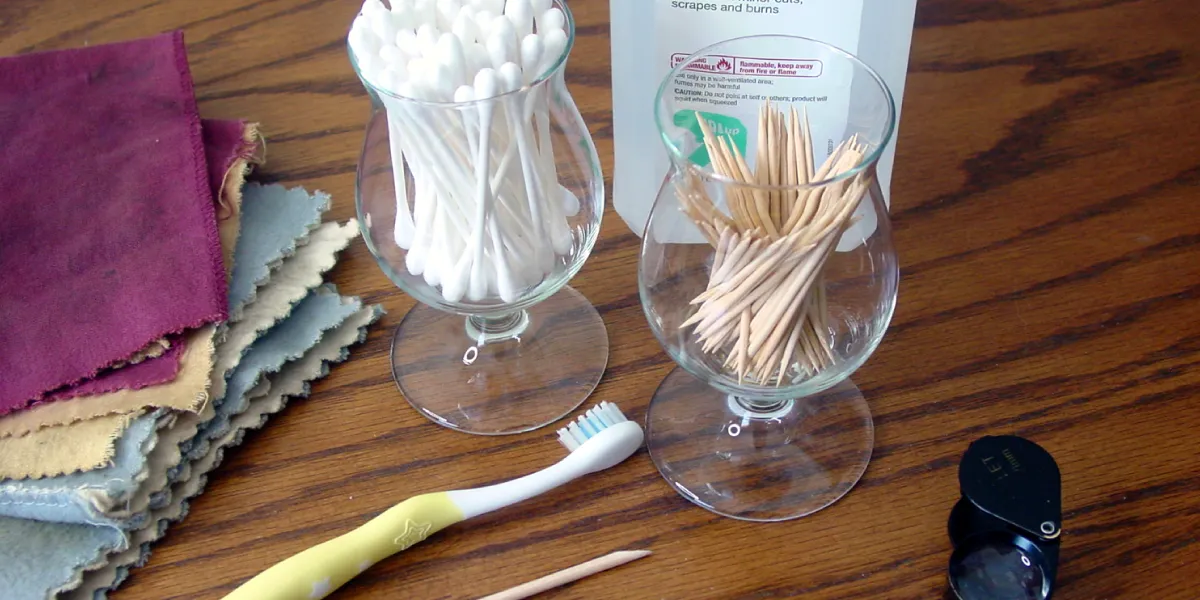
For slightly dirtier pieces, create a mild cleaning solution using warm water and a few drops of gentle dish soap. Avoid harsh detergents or chemicals that could damage the jewelry.
Step-by-Step Process:
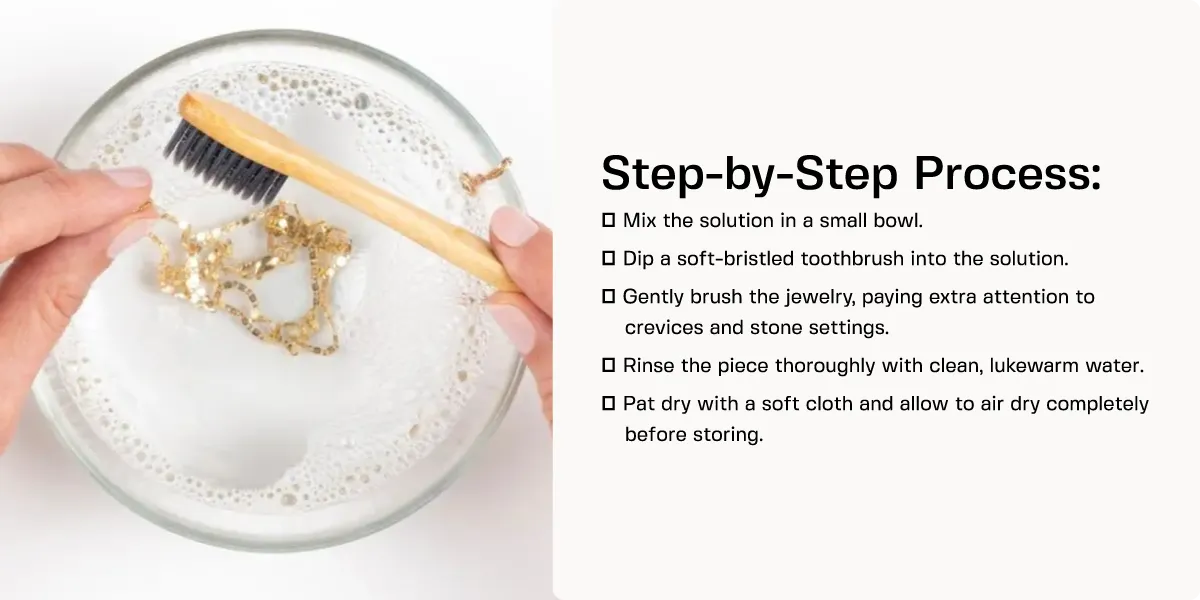
- Mix the solution in a small bowl.
- Dip a soft-bristled toothbrush into the solution.
- Gently brush the jewelry, paying extra attention to crevices and stone settings.
- Rinse the piece thoroughly with clean, lukewarm water.
- Pat dry with a soft cloth and allow to air dry completely before storing.
Cleaning Different Materials
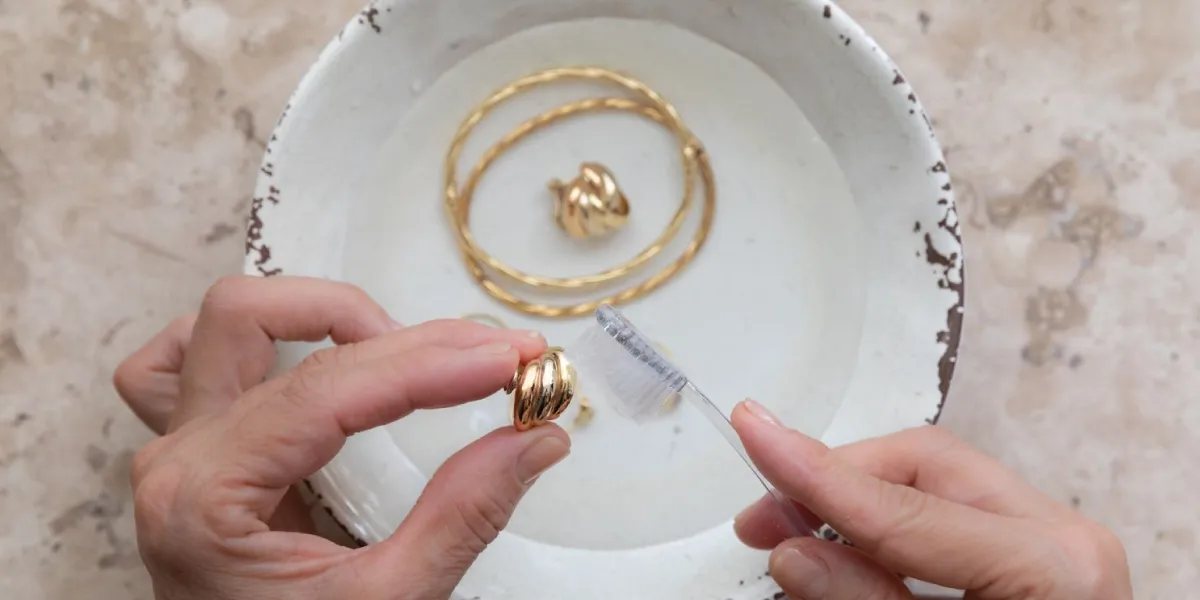
Gold Jewelry
Gold vintage jewelry is relatively durable and can usually withstand gentle cleaning with soap and water. For tougher grime, a solution of warm water and a few drops of ammonia can be effective, but use this sparingly and rinse thoroughly.
Silver Jewelry
Silver requires special care due to its tendency to tarnish. A silver polishing cloth can effectively remove light tarnish. For heavier tarnish, a paste made from baking soda and water can be gently applied with a soft cloth, then rinsed and dried thoroughly.
Gemstones
Different gemstones require different care. Hard stones like diamonds, rubies, and sapphires can typically withstand soap and water cleaning. However, softer stones like emeralds, opals, and pearls require more delicate treatment. For these, stick to the soft cloth method or consult a professional.
Professional Cleaning
When in doubt, or for particularly valuable or delicate pieces, professional cleaning is the safest option. Jewelers specializing in vintage pieces have the expertise and tools to clean your jewelry without risking damage.
Preventative Care
Proper storage and handling can reduce the need for frequent cleaning. Store your vintage jewelry in individual soft pouches or compartments to prevent scratching. Remove jewelry before applying cosmetics, perfumes, or lotions, and avoid wearing it during physical activities.
How do I properly store vintage jewelry to prevent damage?
Vintage jewelry often holds sentimental value and historical significance beyond its monetary worth. Proper storage is crucial to maintain its beauty, integrity, and value over time. By following the right techniques, you can prevent tarnishing, scratching, and other forms of damage that can diminish the appeal and worth of your cherished pieces.
Choosing the Right Storage Solutions
Jewelry Boxes and Compartments
Invest in a high-quality jewelry box with individual compartments lined with soft fabric like velvet or felt. This prevents pieces from scratching against each other and provides a protective cushion. For extra protection, consider using separate pouches or soft cloth wraps for each piece within the compartments.
Anti-Tarnish Materials
Incorporate anti-tarnish strips or bags into your storage solution. These products help absorb moisture and pollutants that cause tarnishing, especially beneficial for silver jewelry which is particularly prone to oxidation.
Creating the Ideal Storage Environment
Temperature and Humidity Control
Store your vintage jewelry in a cool, dry place away from direct sunlight and heat sources. Avoid areas with high humidity, such as bathrooms, as moisture can accelerate tarnishing and potentially damage certain gemstones.
Avoid Harmful Chemicals
Keep your jewelry away from household chemicals, perfumes, and cosmetics. These substances can react with metals and cause discoloration or damage.
Organizing Your Collection
Sorting and Categorizing
Organize your vintage jewelry by type (necklaces, rings, bracelets, etc.) and material (gold, silver, etc.). This not only makes pieces easier to find but also allows you to tailor storage methods to the specific needs of different materials.
Proper Hanging and Laying
Hang necklaces and bracelets to prevent tangling. For delicate pieces, lay them flat in padded compartments to avoid stress on joints or settings.
Maintenance and Care
Regular Cleaning
Clean your vintage jewelry before storing it. Use appropriate cleaning methods based on the materials - gentle soap and water for most pieces, specialized cleaners for certain gemstones or metals.
Professional Inspections
Have your vintage jewelry professionally inspected and cleaned periodically. Experts can identify potential issues early and provide necessary maintenance to prevent damage.
Special Considerations for Different Materials
Gold Jewelry
Store gold pieces separately to prevent scratching. Gold is relatively resistant to tarnishing but can still benefit from anti-tarnish materials.
Silver Jewelry
Silver requires extra care due to its tendency to tarnish. Use anti-tarnish strips or bags and consider storing silver pieces in airtight containers or ziplock bags to minimize exposure to air.
Gemstone Jewelry
Some gemstones are sensitive to light or temperature changes. Research the specific needs of your gemstones and store them accordingly. For example, opals should be kept in a slightly humid environment to prevent cracking.
Conclusion
Cleaning vintage jewelry requires a delicate touch and an understanding of the materials involved. By using gentle methods and taking preventative measures, you can keep your cherished pieces looking beautiful for years to come. Remember, when in doubt, it's always best to consult with a professional to ensure the longevity and value of your vintage jewelry collection.