The Evolution of Jewelry Styles: How Trends Have Transformed Over the Decades
Think of jewelry as a wearable piece of history. Throughout each era, from the Roaring Twenties to the digital age, identity has been defined through adornment. With every decade, people have expressed their values, status, and creativity through their jewelry. One look at someone's earrings, necklace, or ring often gives you a glimpse of their era.
So, without further ado, let's walk through some of the most influential moments in jewelry styles, admiring what people wore and understanding why they chose to wear it.
Jewelry Styles Through The Years
There is no denying that jewelry has evolved with every generation, and each decade has brought its distinct personality to the pieces we wear, revealing what they say about us.
-
1920s–1930s: Bold Lines, Fresh Energy, And The Birth Of Art Deco
The Roaring Twenties were all about breaking the mold, and jewelry followed suit. Gone were the soft curves of Victorian pieces. Suddenly, there were sharp lines, bold shapes, and dramatic contrasts.
Jewelry during this time was glamorous yet modern, exemplified by long pearl strands, geometric bracelets, and emerald drop earrings that sparkled under the lights of jazz clubs.
People craved change after World War I and sought ways to express themselves. Jewelry gave them a way to do that without saying a word. That mix of confidence and elegance made Art Deco iconic, and even today, you can see traces of it in the bold, structured accessories of our time.
-
1940s–1950s: Post-War Elegance And Feminine Grace
After the hardships of the early twentieth century, simple refinement became the new aesthetic. Gold and platinum jewelry took center stage, often set with single pearls or solitaire diamonds. Brooches made a comeback, pinning dresses, hats, and coats with quiet sophistication.
Cameos and intricate chains spoke of heritage and resilience. The overall mood was timeless and polished, which included graceful lines and fewer, more sophisticated pieces.
That sense of restrained luxury is still seen today in minimalist diamond studs or a single pendant necklace that whispers elegance rather than shouts it.
-
1960s–1970s: Freedom, Self-Expression, And Organic Shapes
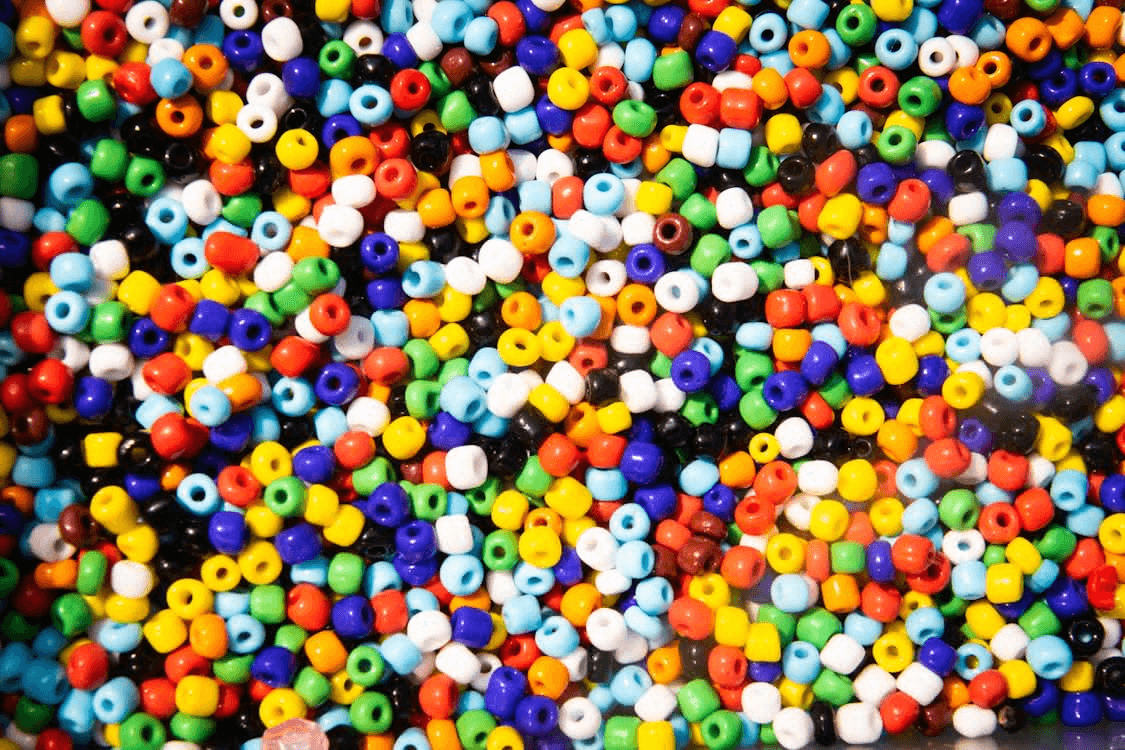
These decades were about breaking rules. Long beads, woven metals, and natural stones brought color and life back into jewelry. Hippie culture popularized beaded jewelry, such as strings of wooden beads, semi-precious stones, or even shells, worn solo or in layers. Oversized, sculptural pieces became common, especially in art and music circles. Jewelry was less about status and more about individual expression.
- Shop: Beads for Jewelry Making – Mangtum Online Beads Shop
The resurgence of bohemian and festival styles today reflects the same energy: unplanned, layered, and deeply personal.
-
1980s: Power Dressing And Statement Excess
The 1980s embraced power and visibility. To demonstrate success, women and men wore bold, oversized jewelry. Think chunky chains, large gold hoops, padded shoulder blazers adorned with brooches. Big cocktail rings and charm bracelets appeared across cultures and professions.
- Shop: Jewelry Bracelets at Mangtum
The economy was upbeat, and jewelry mirrored that mood through size and sparkle. Even today, bold gold chains and oversized accessories are popular, especially in fashion and entertainment.
-
1990s: Minimalism And Subtle Edge
Fast forward to a more understated moment, where clean lines, geometric shapes, and fine chains reigned. Small hoop earrings, thin chokers, and layerable pendants became go-to staples.
There was a move toward personal rather than showy. Simple band rings, layered necklaces, and even body jewelry represented a low-key yet curated aesthetic. That era taught us that less can still stand powerful.
Pieces from the 1990s can be worn alone or stacked today for a minimalist yet meaningful effect.
-
2000s–2010s: Mixed Metals And Personalized Layers
The early 2000s were about creativity and self-definition. People embraced mixed metals, stacking rings and necklaces, and even paired classic and contemporary styles. Personalized jewelry, such as birthstones, nameplates, and charm bracelets, has gained popularity.
We saw a fusion of bold and delicate: chunky statement pieces worn alongside fine chains. Technology also began to influence design, with pavé diamonds, artful settings, and asymmetrical designs emerging.
Everything has become an effort to curate your look and create a unique jewelry narrative, a trend that continues to thrive strongly in today's bespoke and maker-focused markets.
-
2020s And Beyond: Sustainability, Heritage, And Future-Forward Design
Today's jewelry trends reflect our priorities: sustainability, individuality, and respect for lineage.
Recycled metals and ethically sourced stones are gaining popularity. Vintage finds are cherished for their stories. Pieces with meaning, such as family heirlooms and symbolic charms, are leading choices.
- Shop: Jewelry Pendants at Mangtum
At the same time, modern sculptural designs and tech-infused pieces, think 3D-printed metals or smart jewelry, are gaining ground. The result is a collection that bridges eras, combining timeless elegance with contemporary insight and mindful origins.
Conclusion
Looking back at the evolution of jewelry styles is like flipping through a photo album of history, where each piece tells a story, and every trend reflects the mood of its time. From the elegance of pearl chokers in the 1950s to the playful layers of the 2000s, jewelry has always been a way for people to show who they are and what they value.
Currently, we are mixing decades, blending metals, and wearing both heirlooms and 3D-printed designs. That is what makes modern jewelry so exciting, as it honors the past while creating space for personal expression.
Whether you are drawn to vintage pieces, handcrafted trends, or future-forward innovation, the jewelry you wear adds something meaningful to how you show up in the world.
Because in the end, the most timeless trend is wearing what feels like you.