Unveiling the Art of Handmade Jewelry: A Beginner's Guide
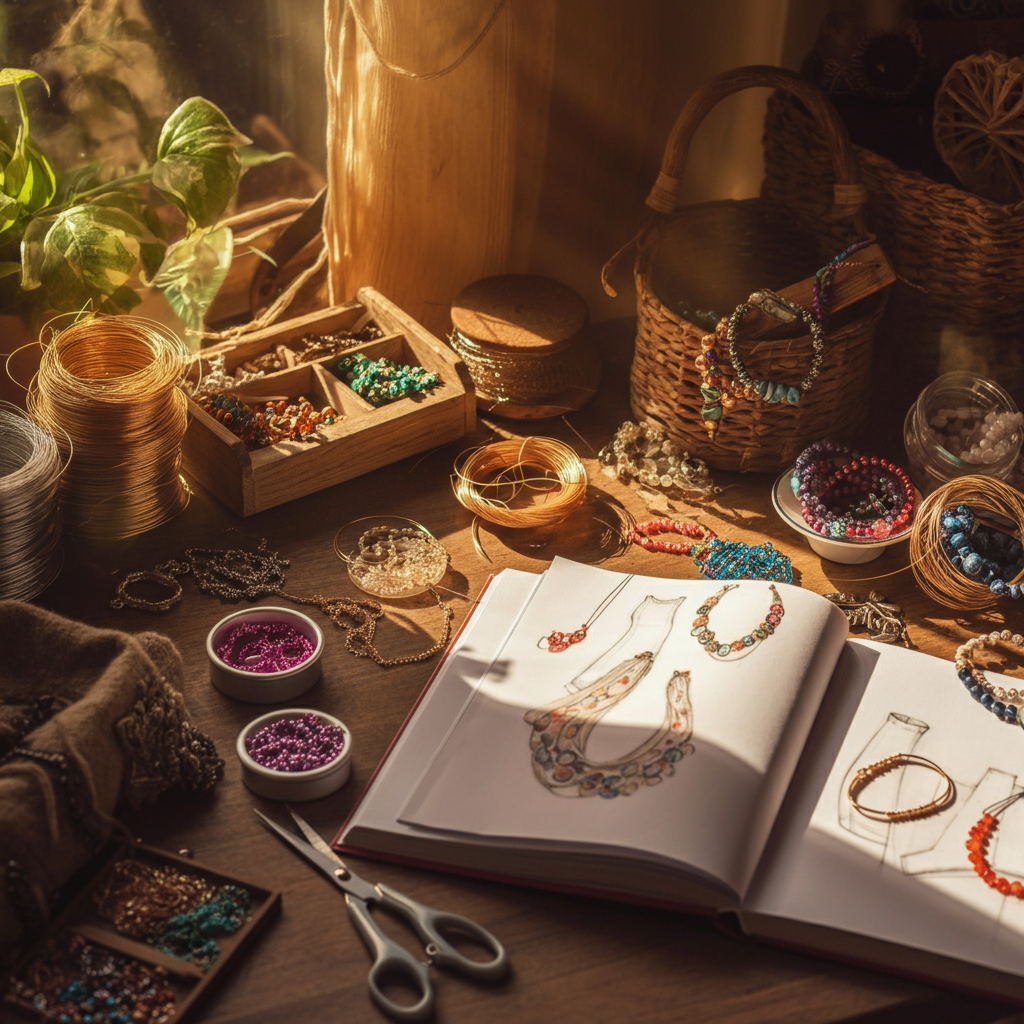
Handmade jewelry is more than an accessory it's a timeless expression of creativity and personal style. Whether you’re a jewelry enthusiast, an avid DIY crafter, or someone who loves making unique fashion statements, handmade jewelry offers a rewarding way to bring your designs to life. With its growing popularity in the fashion world and DIY communities, now is the perfect time to explore the art of jewelry making.
This blog will guide you through everything you need to know to get started. From essential materials and basic techniques to design inspiration and step-by-step tutorials, this is your ultimate handbook for crafting stunning handmade jewelry.
Gather Your Tools and Materials
Before you start creating your own masterpieces, you’ll need to gather the right tools and materials. Having the basics on hand is essential for a smooth start and ensures you can bring your designs to life with ease.
Essential Materials
- Beads: Glass, wood, metal, and gemstone beads can help you craft anything from minimal pieces to bold, colorful designs.
- Jewelry Wire: Comes in various gauges (thicknesses) to suit different project needs like wire wrapping or stringing.
- Stringing Materials: Use cords, threads, or chains depending on your desired style.
- Clasps & Findings: Lobster clasps, jump rings, ear wires, and crimp beads connect and finish your jewelry pieces.
- Charms & Pendants: Add personality and unique flair to your designs.
Essential Tools
- Pliers:
- Round-nose pliers for creating loops and bends in wire.
- Flat-nose pliers for holding pieces and making sharp angles.
- Wire cutters for trimming wire and stringing materials.
- Beading Mat: Keeps beads and findings in place while you work.
- Soldering Kit (for advanced makers): Includes a soldering iron, flux, and solder to craft metal jewelry like rings and bracelets.
- Measuring Tape: Ensures precision when cutting cords or wires.
Master the Basics
Once you have your materials and tools in place, it’s time to familiarize yourself with a few fundamental techniques. These basic skills unlock endless creative possibilities.
Wire Wrapping
Wire wrapping is a versatile technique used to create earrings, pendants, and bracelets. Start with a thin wire (24-28 gauge) and practice forming loops, spirals, and wraps around beads or stones. This is a beginner-friendly method that doesn't require soldering.
Beading
Stringing beads onto wire, thread, or cord is one of the simplest ways to create stunning necklaces, bracelets, or anklets. Use bead stoppers to secure your work temporarily and crimp beads to anchor your designs in place.
Soldering
For advanced designs like stackable rings or intricate metalwork, soldering is key. This involves joining metal pieces together by melting a filler metal. While it takes some practice to master, the results are well worth the effort.
Find Your Design Inspiration
Every great piece of jewelry starts with an idea. When brainstorming your next creation, consider these sources of inspiration:
- Nature: Draw patterns and shapes from leaves, flowers, or even the night sky.
- Cultural Motifs: Explore traditional designs like mandalas, Celtic knots, or tribal patterns.
- Minimalism: Create simple, clean designs with geometric shapes and monochrome beads.
- Seasonal Themes: Incorporate seasonal colors or materials—think earthy tones for fall or pastel beads for spring.
- Popular Styles:
- Boho Chic: Use natural materials like wood, feathers, and turquoise.
- Modern Glam: Combine gold, silver, and crystal elements for a polished aesthetic.
Don't forget to browse Pinterest, Instagram, and craft blogs—there’s no shortage of creative ideas to spark your imagination!
Try These Step-by-Step Jewelry Projects
Here are two easy-to-follow tutorials to help you jumpstart your handmade jewelry-making journey.
Project 1: Basic Beaded Bracelet
- Materials Needed:
-
-
- Jewelry cord or elastic thread.
- Assorted beads.
- Scissors.
- Crimp beads (optional).
-
- Instructions:
-
-
- Cut a cord to fit your wrist, leaving extra length for tying a knot.
- Arrange your beads in a pattern you like, then string them onto the cord.
- Secure the ends with a knot or crimp bead. Trim any excess thread, and you're done!
-
Project 2: Simple Wire-Wrapped Pendant
Materials Needed:
- A gemstone or crystal.
- Jewelry wire (22-24 gauge).
- Round-nose pliers.
- Wire cutters.
Instructions:
-
-
- Cut about 12 inches of wire and center it under the stone.
- Wrap the wire tightly around the stone, creating loops or spirals for decoration.
- Use the round-nose pliers to form a loop at the top for hanging, and trim any excess wire.
-
Tips and Tricks for Professional Results
Creating handmade jewelry is as much about skill as attention to detail. Here are some tips to elevate your craftsmanship:
- Work in a Well-Lit Space: Good lighting helps you see small details clearly.
- Secure Loose Ends: Tuck and trim loose wires or threads to ensure a polished finish.
- Practice Makes Perfect: Don't get discouraged if your first pieces aren’t perfect. Skill comes with practice.
- Invest in Quality Materials: High-quality beads and findings enhance the durability and appearance of your designs.
- Experiment: Don’t be afraid to mix materials or try bold color combinations.
- Stay Organized: Use storage boxes to sort beads, findings, and tools by type or color for easy access.
Start Your Jewelry-Making Journey Today
Handmade jewelry offers a delightful way to express your creativity, develop a new skill, and even start a small business! With the right tools, techniques, and inspiration, anyone can create stunning pieces. Whether you're crafting for personal enjoyment, gift-giving, or earning an income, the rewards of jewelry making are truly priceless.
Take the plunge, get your hands on some beads (or wire!), and see where your imagination takes you. Who knows? Today’s DIY hobby could become tomorrow’s fashion trend.
Related Blogs
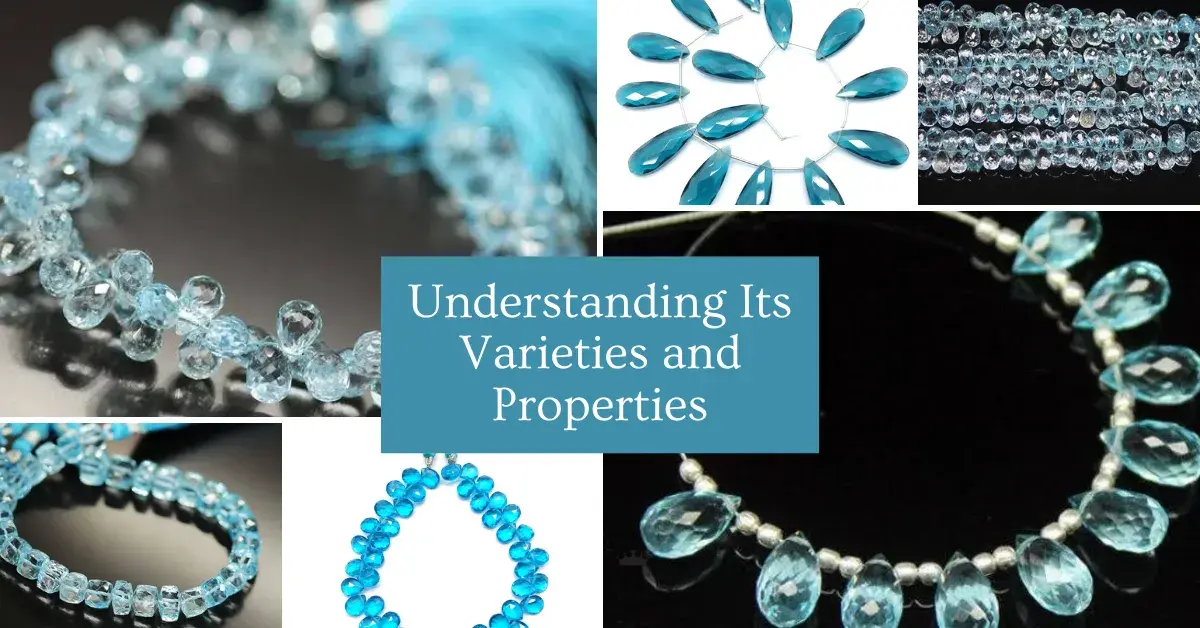
Diving into Blue Topaz: Understanding Its Varieties and Properties
Oct 17, 2026
A Complete Guide to Body Piercing Jewelry for Every Piercing Type
Apr 16, 2025
Types of Gemstones Used in Jewelry: Popular Gemstones & Their Meanings
Apr 2, 2025
Where to Buy Affordable Fashion Jewelry Online
Apr 16, 2025
Buying & Identifying Quality Gemstone Jewelry: A Complete Guide
Sep 13, 2025