Creative Ways to Make Bead Jewelry: Beginner's Design Guide
As a beginner, you may have seen beautiful beadwork and assumed it requires years of practice. In reality, learning to make jewelry with beads is both approachable and rewarding, even for those with no prior experience.
Beads offer endless creative possibilities, from delicate gemstone bracelets to bold statement necklaces. With just a few tools and a little imagination, you can craft pieces that reflect your personal style, make thoughtful gifts, or even start a small handmade business.
So, without further ado, let’s explore practical techniques that will help you transform beads into stunning jewelry creations that you can either use, sell, or gift!
Making Jewelry with Gemstone Beads and More
One of the most exciting aspects of jewelry design is experimenting with different bead types. Gemstone beads, glass beads, and metal accents each bring their own character to a piece and allow beginners to create both simple and sophisticated designs.
If you also want to learn how, here are some tips to help you create stunning jewelry pieces.
1. Designing with Gemstone Beads for Statement Jewelry
When making jewelry with gemstone beads, focus on choosing stones that highlight their natural beauty. Larger beads, such as amethyst, turquoise, or rose quartz, can serve as focal points in a necklace or bracelet.
To balance the weight and texture, pair them with smaller spacer beads made of glass, metal, or wood. Gemstones not only add elegance but also carry symbolic meanings that make your piece more personal.
For example, turquoise is often associated with protection, while rose quartz symbolizes love. On this note, beginners should start by creating simple stringed bracelets before experimenting with more complex patterns.
Keep in mind that gemstone beads are usually heavier than other materials, so sturdy wire or reinforced thread works best to provide durability and structure. This approach helps create jewelry that is both stylish and long-lasting.
2. Playing with Color Using Seed Beads
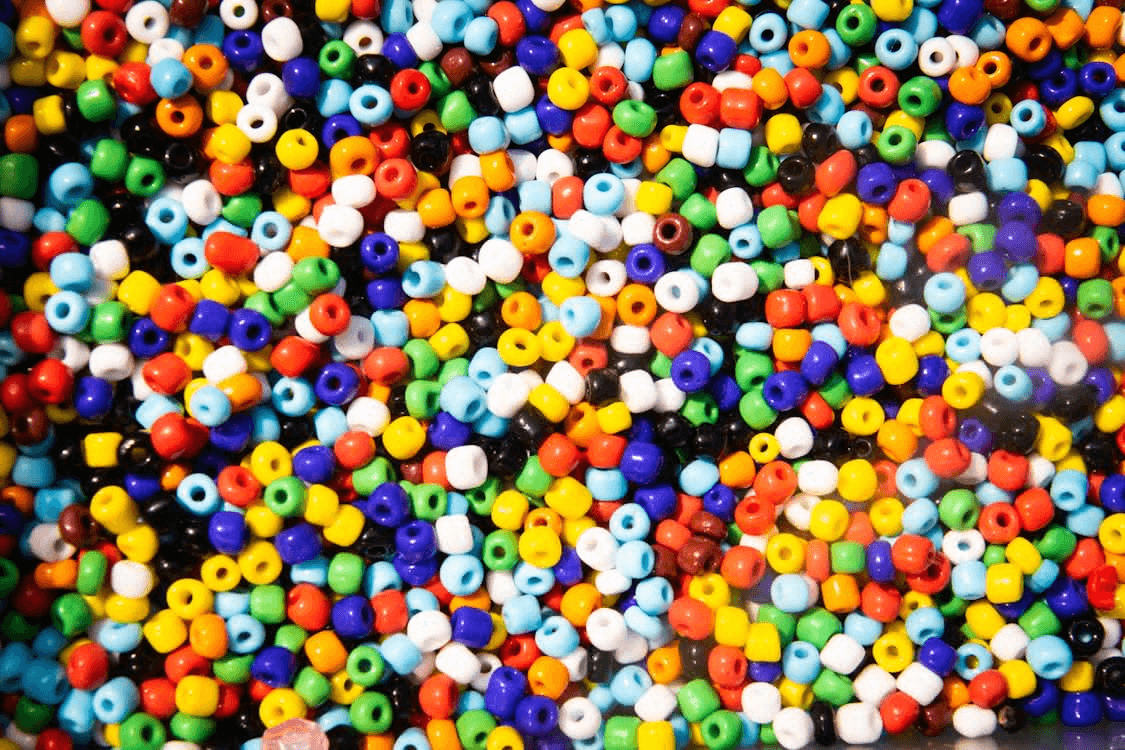
Seed beads are a favorite in jewelry making because of their wide color range and versatility. Their small size allows you to experiment with intricate patterns, color gradients, or even woven textures. A simple way to get started is by creating multicolored bracelets that follow repeating sequences.
But if you are thinking about going for more advanced projects, try bead weaving techniques like peyote or brick stitch to create geometric designs. Using seed beads also lets you practice symmetry and pattern repetition, which are essential skills in jewelry making. You will soon realize, as most beginners tend to, that starting with a small project, such as a beaded keychain or charm, provides the confidence to move into larger designs.
While they may seem simple, seed beads can transform a basic piece into something eye-catching and unique, especially when paired with metallic accents or gemstone beads.
3. Wire Wrapping for Unique Beaded Designs
One of the most creative approaches in wire jewelry with beads is wire wrapping. This method allows you to secure beads in place without glue, creating intricate patterns and frames around them.
Start with softer wires like copper or silver-plated options, as they are easier to bend and shape. You can create pendants by wrapping wire around a single gemstone bead or design earrings by twisting beads together into clusters.
The beauty of wire wrapping lies in its flexibility, allowing every piece to have a unique look. Beginners should start by practicing with inexpensive wire before working with sterling silver or gold-filled wire.
4. Layering Multiple Bead Strands for Depth
Creating layered designs is a popular method in jewelry making with wire and beads because it adds instant dimension and sophistication. You can mix bead sizes, shapes, and textures to create depth that stands out in necklaces or bracelets.
For example, pairing gemstone beads with glass or metal spacers creates a striking contrast. Beginners can start with two or three strands, while advanced makers can experiment with five or more.
Using wire ensures the strands remain sturdy and aligned, making the design durable for daily wear. This technique also expands possibilities for jewelry-making ideas with beads, since you can alternate colors or create cascading effects that highlight focal beads.
5. Creating Beaded Earrings with Movement
When exploring how to make handmade jewelry with beads, earrings are one of the most rewarding projects for beginners. They require fewer materials than necklaces but allow for endless creativity. Choose lightweight beads such as seed beads or crystals to ensure comfort while wearing.
If you are hoping for more dramatic styles, dangle gemstone beads on wire hooks for added movement. The simplicity of this project allows makers to focus on color combinations, textures, and balance. Earrings also make great practice for working with pliers and learning how to secure findings properly.
This type of design is a practical and straightforward way to experiment with different materials and techniques while producing wearable results quickly. For those seeking inspiration, browsing jewelry-making tutorials with bead tutorials can reveal countless variations that range from minimalist studs to chandelier-style earrings that showcase artistry and flair.
Conclusion
Learning to make jewelry with beads is a creative pastime and an opportunity to express personal style, develop new skills, and even create meaningful gifts for others. From gemstone bead necklaces to layered wire bracelets and playful earrings, the possibilities are endless.
The good news is that if you are a beginner, you can start small by sourcing materials from an online bead store, experimenting with simple designs, and gradually building confidence as you master techniques. As time passes, this craft becomes a source of relaxation and joy and offers both artistry and accomplishment.
Whether you pursue beading as a hobby or as the beginning of a creative business, every piece you design carries your unique touch.
Related Blogs
The Latest fashion Jewelry Trends in 2024
May 14, 2026
A Deep Dive into Precious Gemstone Lore and Legacy
Sep 13, 2025
The Ultimate Guide to Fine Jewelry: Everything You Need to Shine
Apr 7, 2025
Types of Gemstones Used in Jewelry: Popular Gemstones & Their Meanings
Apr 2, 2025
What is permanent jewelry?
Oct 5, 2024